
The Muga Valley is situated in the North East of Spain, in a 100,000 hectare watershed, two hours north of Barcelona. Years of rural abandonment, biodiversity loss, and climate-driven droughts have left our beautiful forests fragile and prone to devastating wildfires and drying rivers. After years of living in this beautiful valley and listening closely, we realized that three concerns unite everyone: water scarcity, the risk of fire, and the need for work and housing. The Muga Valley is not unique, over 70% of Southern Europe’s population is at risk for significant implications on health, land productivity, and a liveable climate. The abandonment of rural areas is accelerating this crisis. The Muga Valley mirrors the Mediterranean’s crisis but is uniquely prepared for systemic change.
The Muga Valley is a beautiful picturesque but small valley. Why is the Muga Valley so relevant?
The Muga Watershed is part of a bigger system that we call the Bioregional Economy consisting of three other watersheds being The Fluvia, The Ter (largest water provider to Barcelona) and the Tordera. Together, they form the main source to sea water system for the Costa Brava. This Bioregion is the working area of the Pioneers of Our Time Foundation, The Muga Valley our home and laboratory and The Muga Basin our community Of 68 municipalities with whom we collaborate.

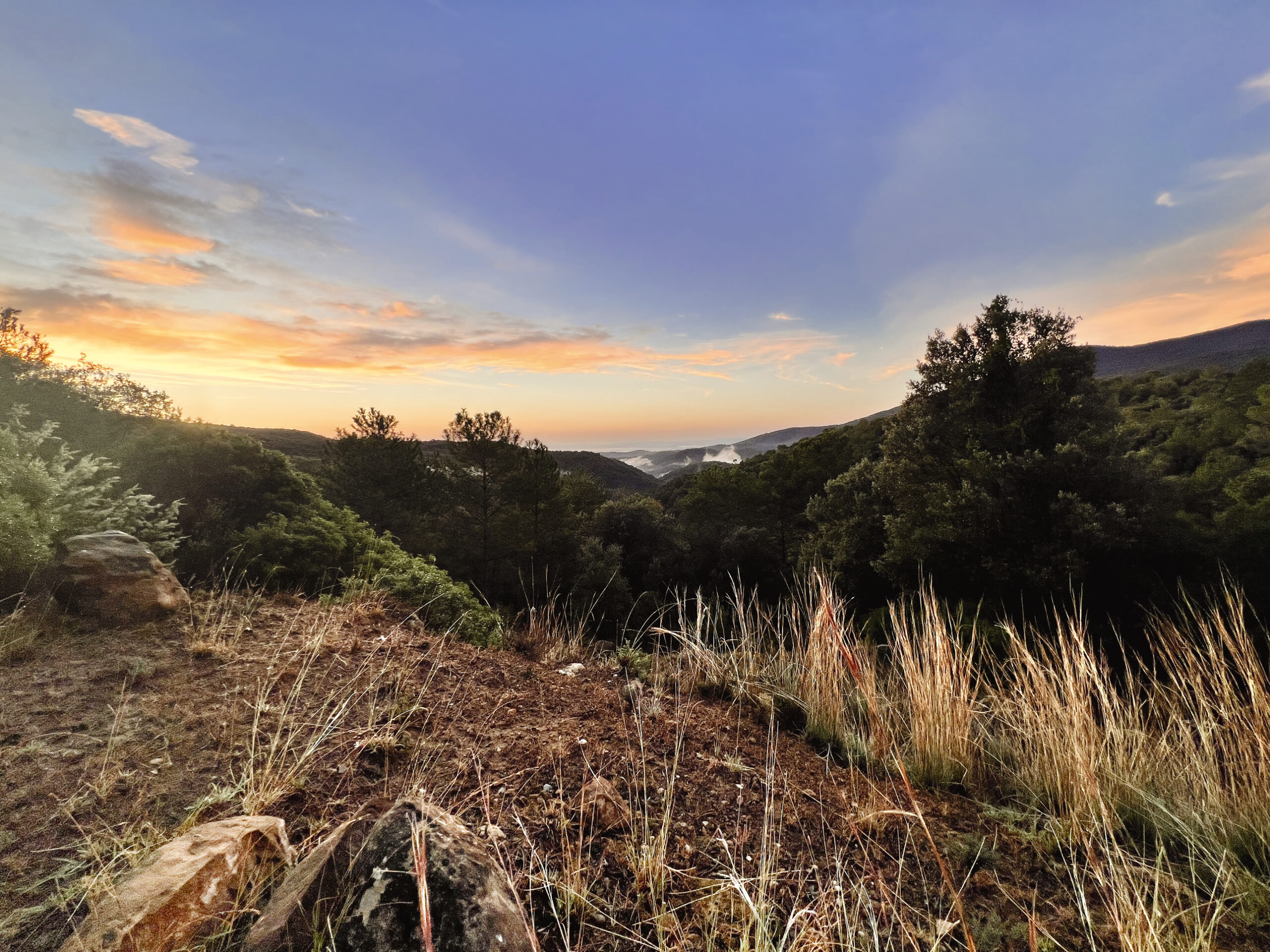
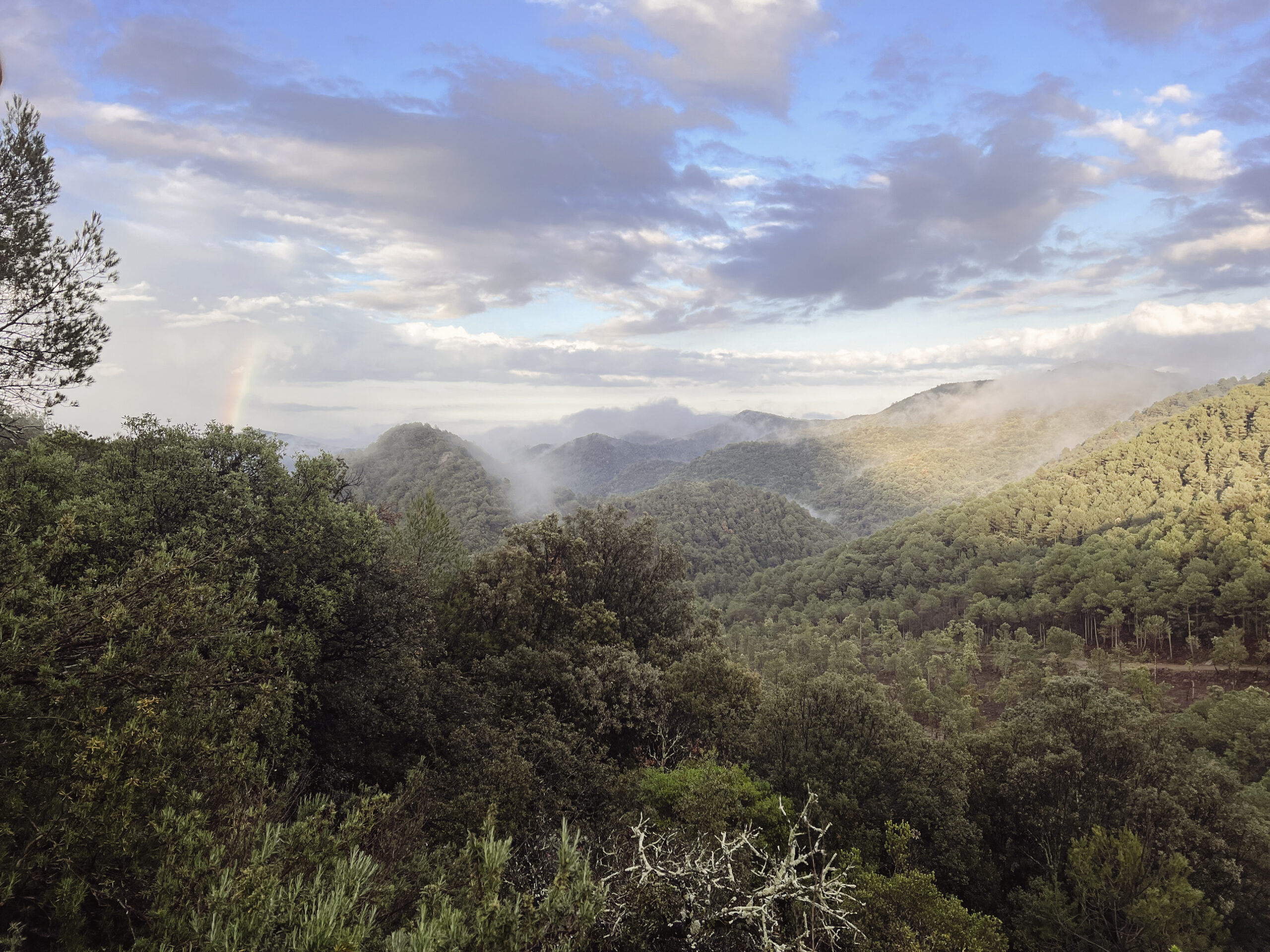
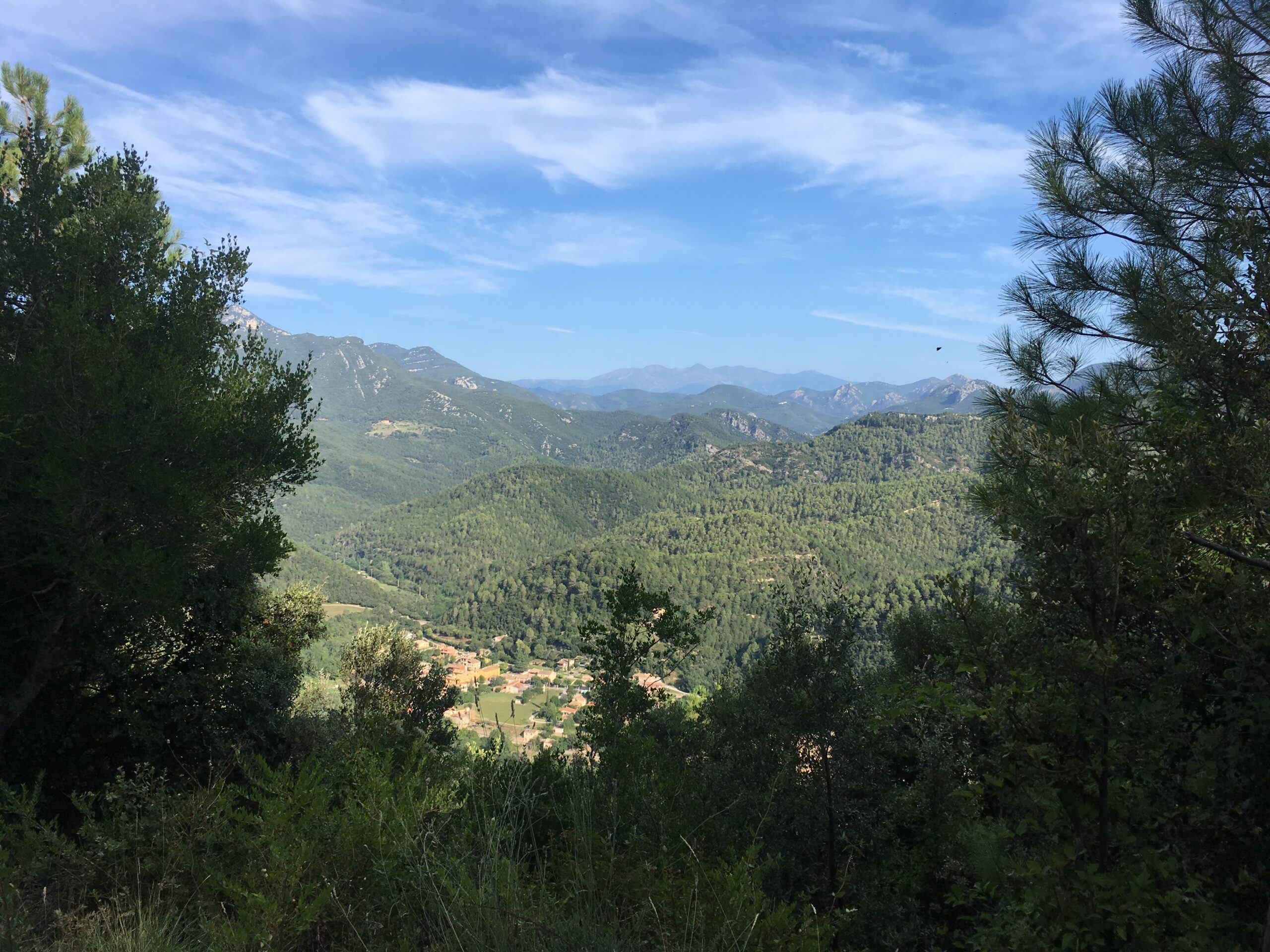
The Mediterranean watersheds play a critical role in stabilising Europe’s climate, water, and food systems. When these landscapes degrade, the impacts reach far beyond the region, driving water scarcity, wildfires, extreme weather, and food insecurity across the continent. Healthy forests and soils function as living infrastructure. They store water, cool landscapes, reduce fire risk, and stabilise river flows, supporting agriculture, communities, and coastal economies downstream. A Source-to-Sea approach recognises watersheds as shared life-support systems, connecting land, people, and markets. Restoring them is not an environmental luxury, but essential security infrastructure for resilient bioregions.
It’s our mission to co-create replicable models for thriving societies that foster resilient landscapes. Through our Campus, for resilient watersheds we replicate and share our successes and lessons learned to professionals and curious people. We currently collaborate on replication and mutual learning with:
We’d love to hear from you! Whether you have a question, want to book an experience, or are planning a team meeting, multi-day retreat, or special event, we’re here to make it seamless and memorable. Drop us a message with your details, and our team will get back to you and help create the perfect experience.
